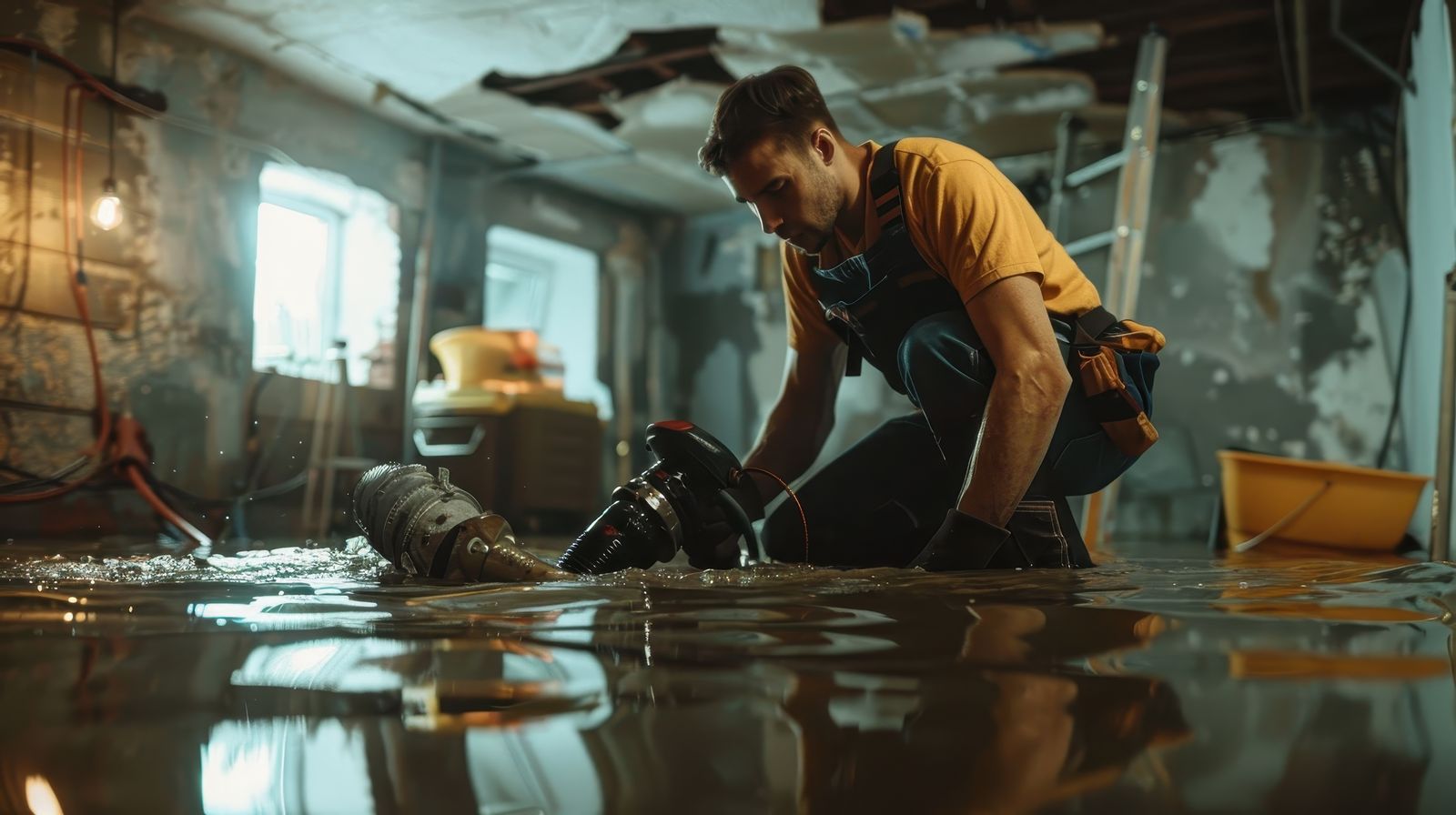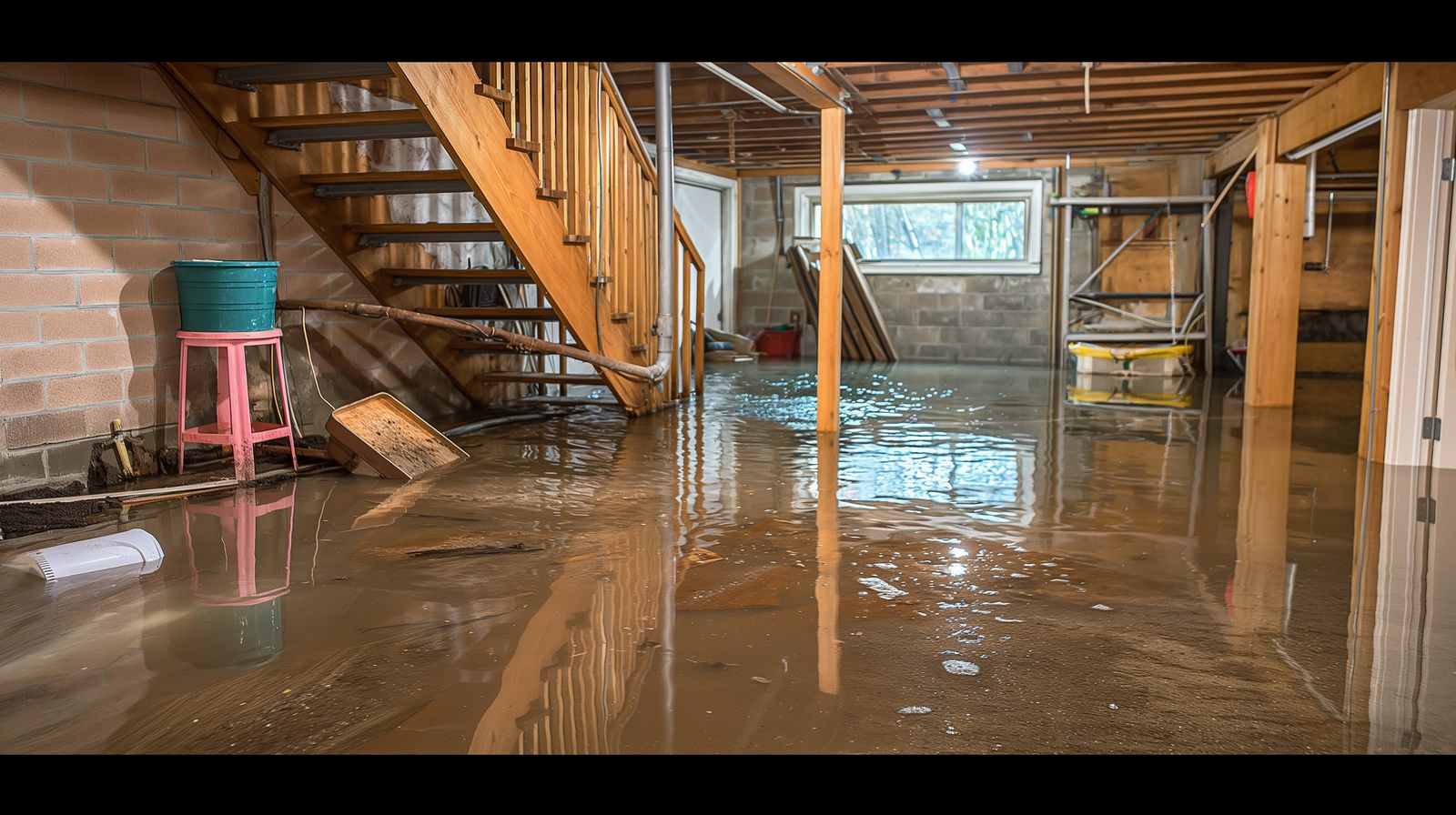
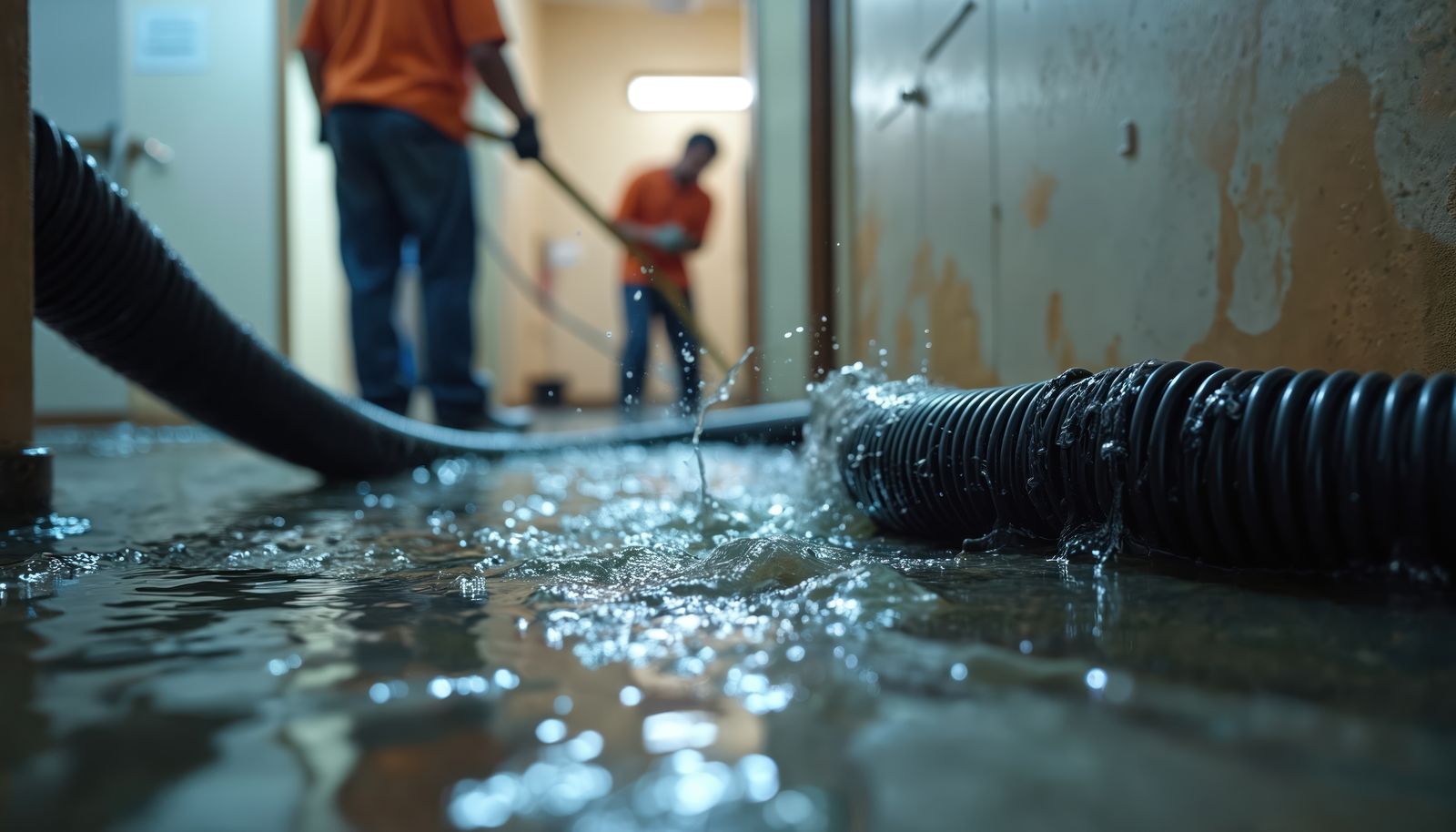
Water damage is one of the few home emergencies where your actions in the first day meaningfully change the outcome. Handle the first 24 hours well and you may be back to normal in a week; handle them badly and you can turn a drying job into a demolition.
First: Is Anyone in Danger?
People Before Property
If water is near electrical outlets, panels, or appliances, don't wade in — water conducts, and energized water is invisible. If flooding is severe or you suspect the ceiling could come down (sagging, bulging drywall holds astonishing weight), get everyone out of that room. Sewage-contaminated water is a health hazard: keep children and pets away entirely. Everything else in this guide waits until the people are safe.
Hour 0–1: Stop the Water and Kill the Risk
Find the Source and Shut the Main
Burst pipe, failed water heater, appliance hose, roof, or outside water — the response differs, but the first move is the same for indoor sources: shut the main water valve. It's typically where the supply line enters the house, often in a basement, crawl space, or near the water heater. Learn its location today, before you need it. Then cut power to affected areas at the breaker — only if the panel itself is dry and you can reach it without standing in water.
Call for Professional Help Now, Not Later
Restoration companies dispatch around the clock precisely because this hour matters. While the crew rolls, you can keep working the steps below — and a good dispatcher will walk you through your specific situation on the phone. The difference between a quick dry-out and a major reconstruction usually comes down to how fast extraction starts.
Professional water damage restoration — Marietta, GA
Hour 1–4: Protect What Can Be Protected
Move, Lift, and Block
Move electronics, documents, photos, and furniture out of wet areas or up on blocks — aluminum foil under furniture legs prevents carpet staining. Lift curtains and bedskirts away from wet floors, and pull up loose rugs (not installed carpet — leave that for extraction equipment). Do NOT use your household vacuum on water, run ceiling fans under a wet ceiling, or turn on HVAC if ducts may have taken water.
Photograph Everything Before You Move It
Take photos and video of the water, the source, and each affected room before cleanup begins. Your insurance claim will thank you — documentation from the first hours is the strongest evidence of what actually happened, and it protects you if scope questions come up later in the claim.
Hour 4–12: Get the Claim Started
Report the Loss and Keep the Evidence
Call your insurance carrier's claim line or file online — you don't need a full damage inventory yet, just the loss report and your claim number. If the water source was sudden and internal (pipe, tank, appliance), you're likely in covered territory; keep the failed part itself and don't throw it away. If water rose in from outside, ask about flood coverage — it's a separate policy, and honesty about the source now prevents ugly surprises later.
Know Your Rights in Georgia
In Georgia, you choose your restoration contractor. Your insurer can suggest vendors, but the decision is yours — insurer-preferred vendors work for volume, and you're entitled to pick a company that works for you. This one fact surprises more homeowners than any other part of the claims process.
Hour 12–24: Resist the Two Big Mistakes
Mistake One: Assuming the Visible Water Was All of It
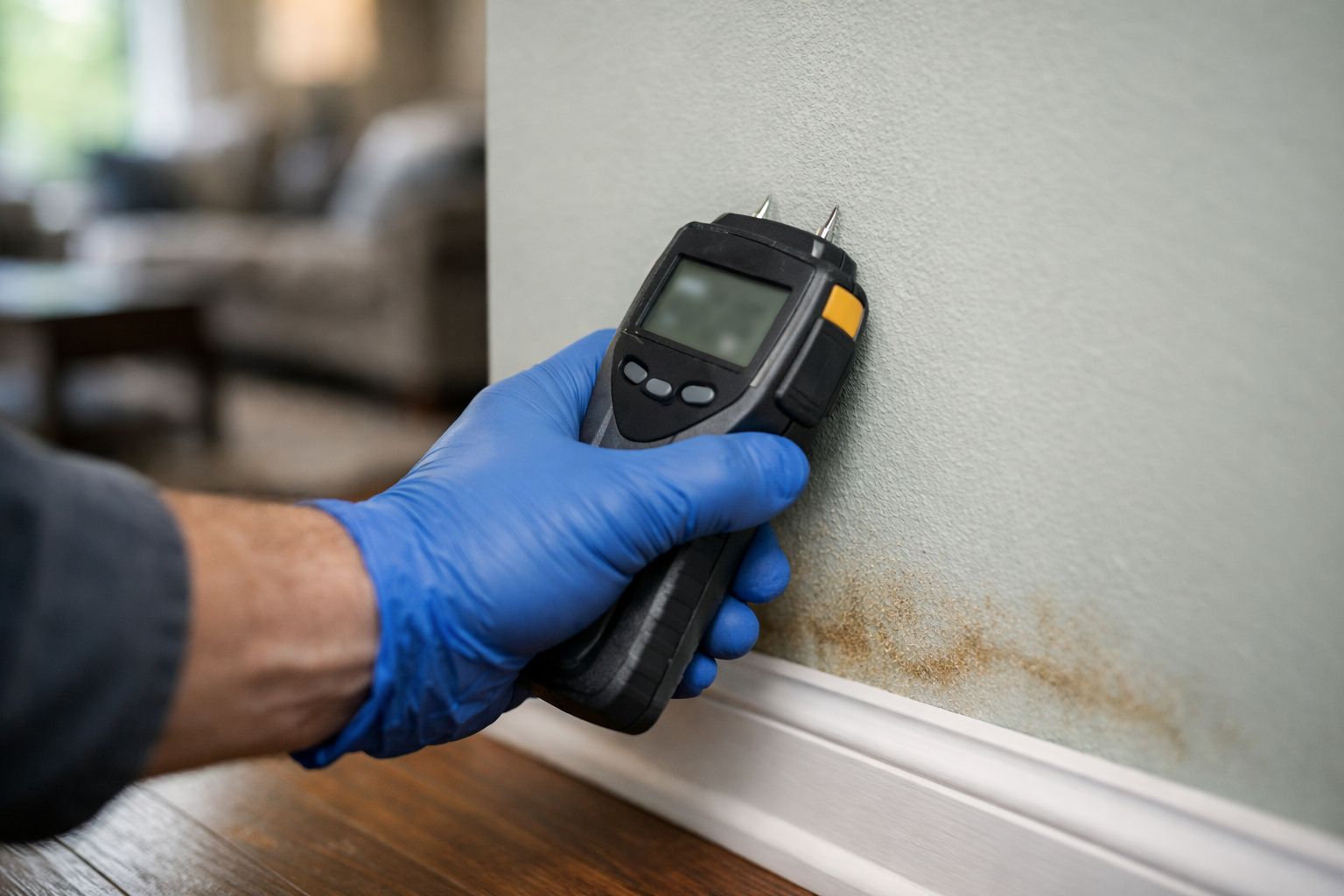
Water travels through wall cavities and under flooring far beyond the wet you can see. Only moisture meters can tell you the real footprint — professional assessment isn't an upsell, it's measurement. The wet you can't see is what causes the mold, odor, and warped floors that show up weeks later.
Mistake Two: Declaring Victory With Fans
Household fans dry surfaces while trapped moisture stays behind in framing and subfloor — the exact setup for mold, which can begin establishing within roughly a day or two of the loss. Real drying pairs airflow with dehumidification and daily verification. When the pros arrive, the sequence is extraction, safety and contamination assessment, moisture mapping, calculated drying equipment placement, and monitoring to documented dry standard — a whole machine that starts with one phone call, any hour.
Dealing With Water Damage Right Now?
Water emergency? Marietta crews answer 24/7 and dispatch immediately — call now or request a rapid callback.
📞 Call (678) 835-2797